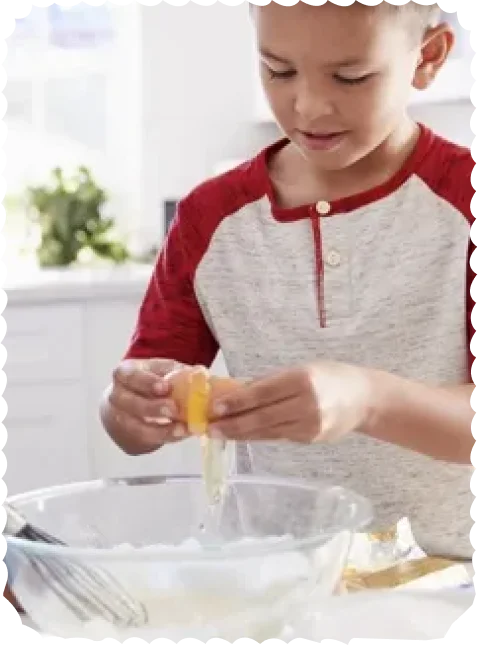
Occupational therapy (OT) helps children to become more independent and
participate in a wide range of activities.
Occupational therapy (OT) helps children to become more independent and participate in a wide range of activities. Occupational Therapy can improve fine motor development, visual motor integration, sensory motor integration development, self-help and organizational skills.
For people with autism, OT programs often focus on play skills, learning strategies, and self-care. OT strategies can also help to manage sensory issues.

Pass toys from one hand to another and grasp and shake a rattle. Can clasp hands together and reach for toys with both hands and can bring hands to mouth.

Bang two toys together and pokes with index finger. Can put objects in a container. Can self-feed with finger foods and wave good bye.

Point to one body part and can mark paper with crayon and can build a tower with at least 2 blocks. Points with index finger and bring a spoon to mouth by turning spoon over.

Build tower of at least 5 blocks and imitates vertical stroke. Can unzip and zip a large zipper and remove shoes and socks. Can wash and dry hands partially.

Copies a circle with pencil or crayon can turn book pages one at a time. Can fold paper in half. Hold small cup in one hand and pull pants down with assistance.

Draws a person with 2 to 4 body parts and touch the tip of each finger to their thumb. Uses scissors to cut across a piece of paper and start to copy some capital letters. Can also use a fork.

Print some letters or numbers. Copy a triangle, square and cross. Grasp a pen or pencil correctly (using an adult type grasp). Connect the dots to make a simple shape. Can lace shoes or lacing board.

Copy a sequence of letters and numbers correctly. Use a knife to cut soft foods and draw a recognizable person with head, body, and limbs. Can put together a 16-20 piece puzzle.
Personalized therapy services supporting each child’s growth, communication, confidence, development, and lifelong independence.

Tired of waiting to get an Autism Diagnosis? Success On The Spectrum has partnered with Joshua Health to help you get an Autism Diagnostic test without the wait!

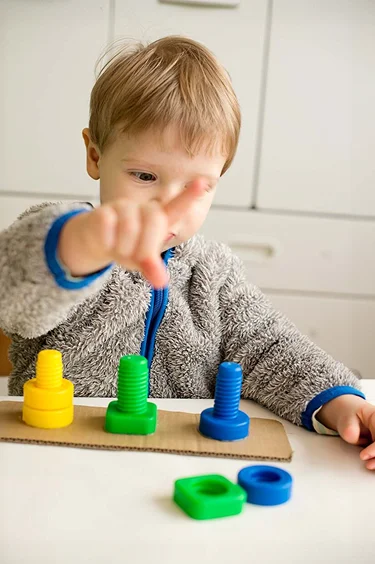
Success On The Spectrum is a national franchise that provides ABA Therapy, Speech Therapy, and Occupational Therapy to children up to age 18.
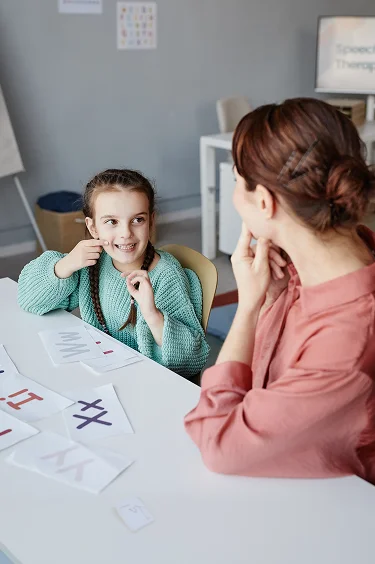
Supports children improving speech, language understanding, communication confidence, and social interaction skills.
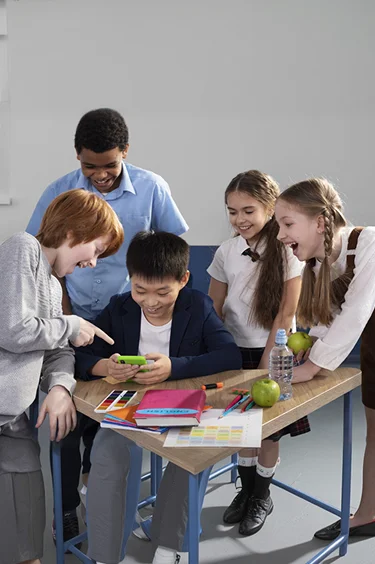
Success On The Spectrum offers group social skills classes to promote growth in social connections and friendship skill.